

"Parents residing in North London seeks an exceptional and experienced tutor to guide their smallest child on his first steps to becoming an British gentleman."
Looking at this listing, you might readily overlook the term "initial stages" as just an expression.
Yet, it could be the crucial part of this unusual position posting, as it aims to recruit a tutor for a 12-month-old.
Many of applications have already been sent in since the unnamed family advertised their search for the highly paid tutor, who must be "someone very special".
In recent few weeks, the post has received notice in the press, with numerous questioning why?
Forward-Thinking Method
A tutoring expert, chief executive of Tutors International, which is helping the family in their search, said that notwithstanding initial doubt, he considered the concept "visionary", and "advanced".
When he spoke with the family, he noted they understood the atypical character of their request, and how immature their son is.
However, they stated that they "were unwilling to delay any longer" to engage a tutor, as they had held off until their firstborn was five, and by that point "cultural conditioning had already taken hold".
What precisely did the family refer to by "cultural leaning"?
It's "comprehensive", the expert answered. "How you eat, how you speak".
He said the elder child had absorbed "very nuanced, body language" from the family, and had taken on their cultural habits. The family told him they wished to avoid this pattern to recur with their younger child.
The plan: To bring in a UK tutor, who should speak with standard English accent, to shape the baby right from the beginning.
Osmotic Learning
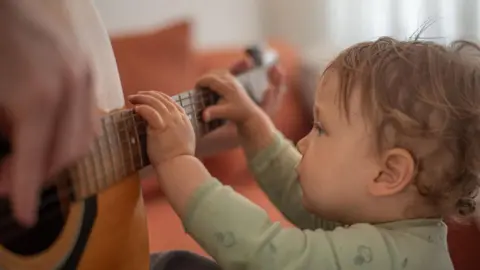
"A lot of the education at the beginning here is kind of osmotic," explained the CEO.
It's via this osmosis that the family are hoping the child will acquire the UK customs they wish to impart.
He explained the tutor had to be an individual who went to "the appropriate educational institutions – the same kinds of schools as the family aspire to send their son to".
"The instructor must be the right kind of person, they'll be doing things they don't even know they're doing, just naturally," he commented.
Cost Not Relevant
The family explained to him the successful candidate should preferably also have familiarity of or enthusiasm in riding, winter sports, creative fields and music so as to influence the child in a diverse set of passions.
Furthermore though, he stated the family desired the tutor to register the child on a variety of lessons so the child would be "pony-riding and learning an tool by the time they are approximately three years old".
In the family's view, helping their son develop into a "British gentleman" will result in accomplishment and open doors.
"Considering the rights and wrongs of that, because it's definitely a social class indicator," he notes.
However, in spite of all this tutelage in "English culture", might the child adopt alleged cultural influence from the globally influenced family he lives with anyway?
"Absolutely", replied he. "The family understand this might not succeed, but they've just taken the perspective of, 'why not attempt it and we should start as quickly as we can', because the price of it is irrelevant," he stated.
Idealistic and Unrealistic
There are some in the education sector who have these reservations.
Peter Cui, CEO and founder of an educational organization, who also offer individual instructors, commented that "the journey of embracing two identities, or actually, forming one's identity, is something that must be grown into, not manufactured."
He noted that he had relocated from Asia to the Britain at the period of 7 years old, and had been raised experiencing and living two backgrounds. He went on to learn at Cambridge University.
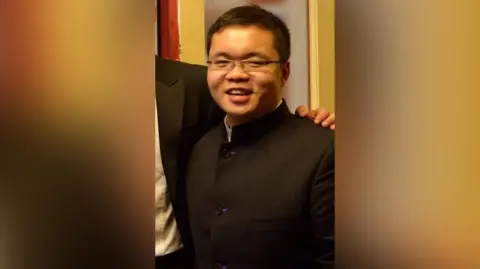
"The idea that a single person can function as a living vessel of English culture, a person who can in some way transplant the qualities of a UK sophisticate onto a one-year-old child, appears optimistic and unrealistic," he commented.
"From my perspective, engaging a distinctly English tutor from infancy will not instantly achieve the result they desire.
"I never had such a figure, and however I have been lucky enough to live many of the opportunities they desire for their son."
He added: "The truth is, personal identity cannot be forced from the outside influences; it must be chosen, and it must originate internally."
Acquiring Englishness
Certainly, UK identity is something the expert hopes can be instructed – and marketed.
"I believe the situation that the world regards us in this regard is something that we should be cherishing|valuing|appreciating


